
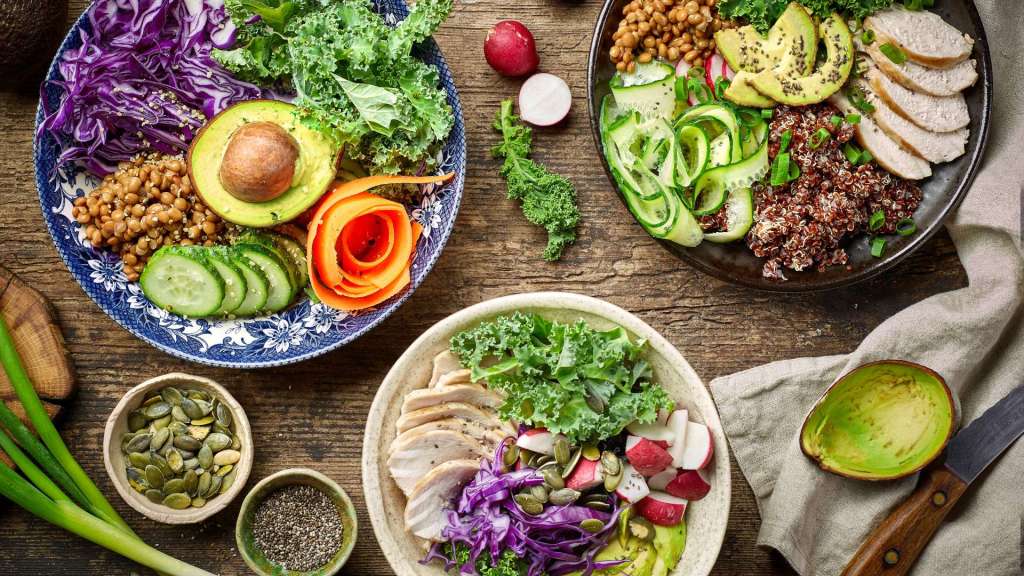
If you’re navigating fatigue, brain fog, joint pain, digestive discomfort, or stubborn weight gain, chronic inflammation could be the hidden root cause. The good news? What you eat can play a powerful role in calming inflammation and helping your body return to balance. And it all starts with your plate.
In this post, we’ll explore how to build a healing, anti-inflammatory meal that supports energy, hormone balance, digestion, and long-term wellness. No strict diets. No calorie counting. Just nourishing, real food that helps your body feel safe, supported, and strong.
Why Inflammation Happens
Inflammation is a natural process your body uses to protect and repair itself. But when inflammation becomes chronic—triggered by processed foods, stress, toxins, blood sugar spikes, and hormonal shifts—it can lead to a wide range of symptoms, especially in midlife.
That’s where an anti-inflammatory approach to eating comes in. It’s not about being perfect. It’s about making consistent, supportive choices that reduce the internal “fire” and give your body what it truly needs.
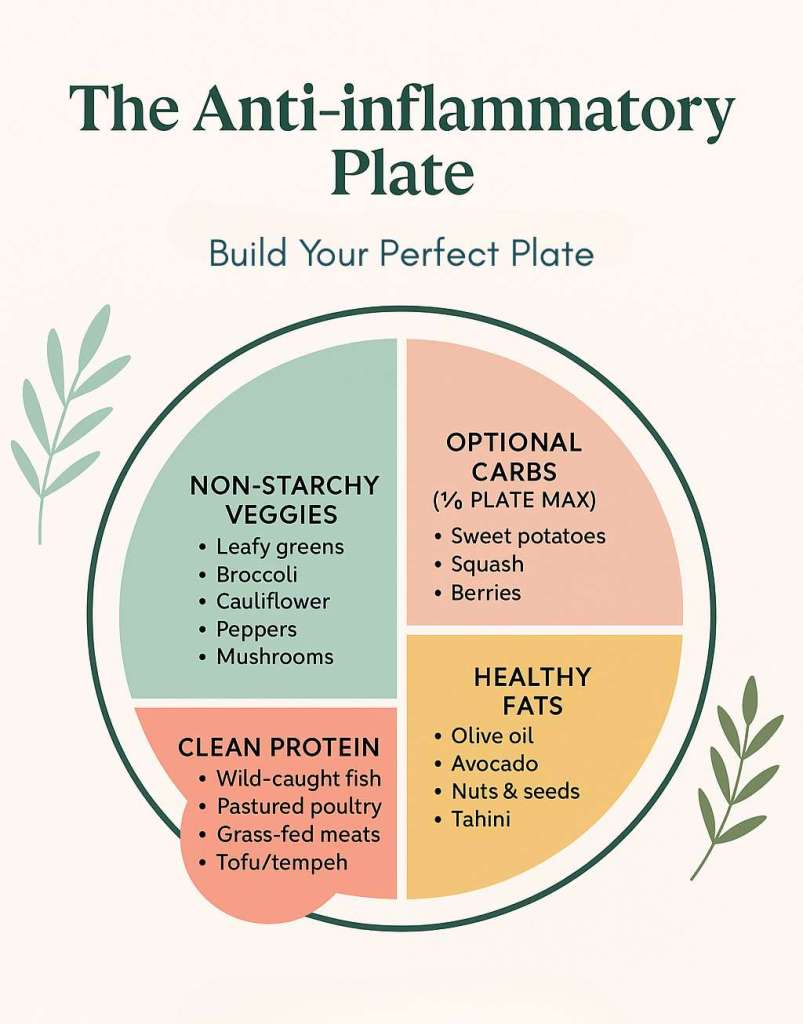
The Visual Formula: Your Anti-Inflammatory Plate
Think of your plate as a tool for healing. Here’s how to visually break it down:
🥒 1/2 Non-Starchy Vegetables
Fill half your plate with colorful, nutrient-dense vegetables like leafy greens, broccoli, zucchini, bell peppers, cauliflower, carrots, and cabbage. These foods are rich in antioxidants and fiber, which help reduce inflammation and support gut health.
🥚 1/4 Clean Protein
Choose high-quality, anti-inflammatory proteins such as wild-caught salmon, organic chicken, pasture-raised eggs, legumes, or tempeh. Protein supports tissue repair, hormone production, and blood sugar balance.
🌿 1/4 Healthy Fats + Smart Carbs
Round out your plate with a combination of healthy fats (like avocado, extra virgin olive oil, nuts, seeds, or tahini) and anti-inflammatory carbs like quinoa, sweet potatoes, berries, or winter squash. These support brain function, energy, and satiety without the blood sugar crash.
💧 Optional Add-Ons: Herbs, Spices & Fermented Foods
Flavor your meals with turmeric, ginger, garlic, rosemary, or cinnamon—all known for their anti-inflammatory benefits. Add fermented foods like sauerkraut, kimchi, or coconut yogurt for gut health.
Real-Life Examples
Lunch: Arugula salad with grilled salmon, roasted beets, pumpkin seeds, and a lemon-olive oil vinaigrette.
Dinner: Quinoa bowl with roasted veggies, chickpeas, tahini drizzle, and a side of sautéed kale with garlic.
Breakfast: Smoothie with spinach, blueberries, chia seeds, almond butter, and unsweetened coconut milk.
The Power of Consistency
You don’t have to be perfect to see results. Even one anti-inflammatory meal a day can begin to reduce symptoms and support long-term health. Over time, your body responds to nourishment, not restriction.
Listen to how your body feels after eating. Are you energized or sluggish? Clear or foggy? When you start feeding your body in a way that reduces inflammation, you’ll begin to feel the difference in ways that go far beyond your plate.
Start with One Meal
If overhauling your entire diet feels overwhelming, start with one meal. Maybe it’s breakfast. Maybe it’s lunch. Create a plate that looks like the visual above and build from there. Your body will thank you.
Healing through food isn’t about rules—it’s about reconnecting to what supports you best.
Want more guidance? Download my free Inflammation RX guide for a deeper dive into what could be fueling your symptoms—and how to turn the tide naturally.
