
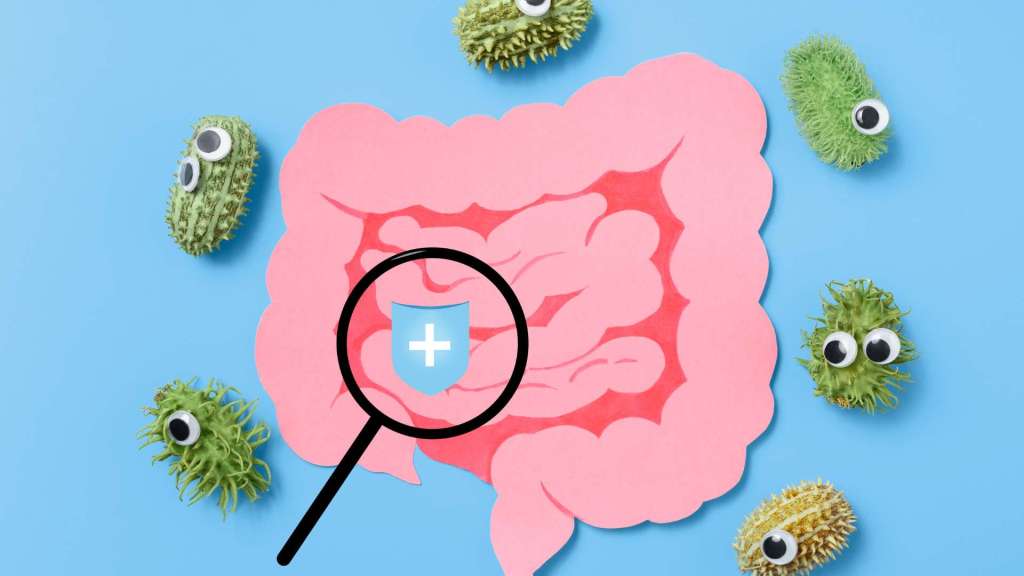
Wellness trends come and go, often promising quick fixes or dramatic results. Gut health, however, is not another passing phase or viral idea—it’s a biological foundation that influences nearly every system in the body. Digestion impacts immunity, metabolism, hormone balance, mood, and long-term vitality. Supporting it isn’t about chasing perfection; it’s about creating resilience that lasts through every stage of life.
For many women in midlife, the body can begin to feel unfamiliar. Foods that were once easy to digest suddenly cause bloating or fatigue. Energy fluctuates, recovery takes longer, and weight feels harder to manage. These changes often lead women to search for stricter diets or more intense routines, when what the body is really asking for is support—especially from the inside out.
A gut-centered approach shifts the focus from control to partnership. Instead of rigid rules, it emphasizes awareness and nourishment. You learn how your body responds to certain foods, stress levels, sleep patterns, and movement. This information becomes empowering rather than overwhelming. You stop guessing and start responding with intention.
Unlike restrictive diets, gut health encourages flexibility. It doesn’t require cutting out everything you enjoy or following a perfectly planned menu forever. Instead, it helps you identify which foods support digestion, energy, and mood, and which ones tend to create discomfort or inflammation. Over time, choices become intuitive rather than forced.
As we age, digestion naturally slows and stress tolerance shifts. Hormonal changes can alter gut motility and microbiome balance, making the digestive system more sensitive. Supporting gut health helps buffer these changes by improving nutrient absorption, reducing inflammation, and strengthening immune function. A well-balanced microbiome supports emotional regulation, metabolic efficiency, and overall resilience during times of transition.
Gut health also plays a key role in how we relate to our bodies. Many women enter midlife feeling disconnected or frustrated, unsure why their bodies no longer respond the way they used to. Supporting the gut rebuilds trust. When digestion improves, energy stabilizes, cravings lessen, and the body feels more predictable. That sense of reliability restores confidence and self-trust.
Perhaps the most powerful aspect of gut health is sustainability. This isn’t a reset you complete and forget—it’s a set of tools you carry forward. Simple habits like mindful eating, regular hydration, fiber-rich meals, and stress management continue to support digestion long after a formal program ends.
When the gut is supported, wellness becomes less about effort and more about alignment. Life feels easier. Energy becomes steadier. Mood is more balanced. And health feels like something you live into, not something you constantly chase.
Gut health isn’t a trend—it’s a lifelong ally. And when you commit to supporting it, you’re investing in a future that feels strong, nourished, and grounded.
👉 Build a foundation that lasts. Begin your gut-centered journey with the 28-Day Gut Health Meal Plan and carry these tools with you for life.
